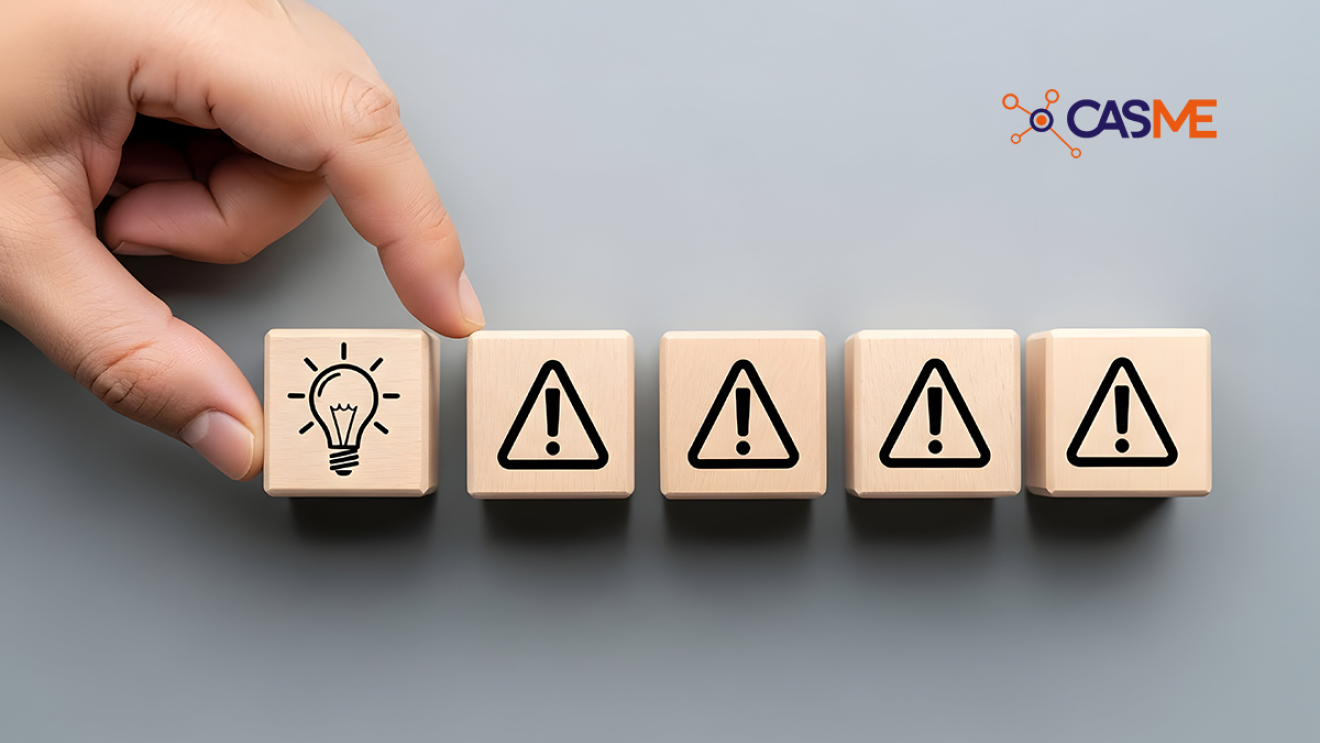
Procurement risk management tools are widely used across organisations. However, as risk becomes more complex, the challenge is no longer adoption, but effective use as part of broader procurement risk management strategies. Today’s risk landscape includes supply disruption, geopolitical instability, cyber threats, regulatory pressure and supplier financial stress, making risk a constant part of day-to-day procurement.
As a result, organisations are re-evaluating how their procurement risk management tools support the identification, assessment and ongoing monitoring of risk across the supply base. But while tools can add real value, they’re rarely a silver bullet. The biggest challenge isn’t choosing a platform; it’s ensuring it fits existing processes, priorities and maturity.
In this article, we look at the benefits of procurement risk management tools, how they enable effective procurement risk management strategies, and what procurement teams should consider before implementation, based on CASME’s procurement insights and benchmarking.
Why Procurement Risk Management Has Become a Priority
Risk in procurement is no longer limited to supplier failure or delivery delays. Today, teams are managing a far wider risk landscape, including:
- Supply continuity and resilience
- Financial stability of suppliers
- Compliance with regulations and standards (see WEF Global Risks Report)
- ESG and sustainability exposure
- Cyber and data security risks
- Reputational and ethical concerns
- Interconnected risks, where one issue can trigger wider operational or financial impact.
Across CASME member discussions, many organisations highlight that while risk exposure is increasing, confidence in supplier risk visibility remains inconsistent. This reflects wider findings on how organisations are approaching risk maturity and supplier monitoring.
Without a structured approach, these risks are often managed reactively and only become visible once disruption has already impacted the business. This is where procurement risk management strategies, supported by the right tools, can help teams move from firefighting to foresight.
What Are Procurement Risk Management Tools?
Procurement risk management tools are systems or platforms designed to help procurement teams identify, assess, monitor and respond to supplier and supply chain risk.
Rather than relying on spreadsheets, emails and manual checks, these tools bring risk data into one place and provide ongoing visibility across the supplier base, supporting more effective supplier risk management across the lifecycle, including broader third-party risk considerations.
Depending on the solution, procurement risk management tools may support activities such as:
- Supplier risk profiling and segmentation
- Continuous monitoring of supplier financial health
- Tracking geopolitical, environmental or regulatory risk
- Managing supplier compliance and certifications
- Supporting due diligence and onboarding processes
- Alerting teams to emerging or escalating risks.
In practice, organisations tend to use a combination of tools across the risk lifecycle, for example:
- Supplier risk and intelligence platforms (e.g. financial health, ESG, geopolitical monitoring)
- Third-party risk and compliance tools (due diligence, certifications, regulatory tracking)
- Supplier onboarding and information management systems
- Contract management platforms with risk visibility
- Broader Source-to-Contract (S2C) suites with embedded risk capabilities.
Used well, these procurement risk management tools enable teams to prioritise attention where it matters most, rather than applying the same level of scrutiny to every supplier.
The Benefits of Procurement Risk Management Tools
When aligned to clear procurement risk management strategies, tools can deliver several practical benefits.
Improved visibility and early warning
Risk tools help teams move beyond static, point-in-time assessments and towards continuous monitoring, making it easier to identify warning signs before disruption occurs. However, visibility alone doesn’t reduce risk; what matters is how that insight is used to prioritise and act – something that’s regularly explored in CASME’s procurement insights on supply risks and trends.
Better prioritisation of effort
Not all suppliers present the same level of risk. Procurement risk management tools help teams segment suppliers based on criticality and exposure, supporting more effective supplier risk management and ensuring time and resources are focused where they add most value.
More consistent risk processes
Many organisations struggle with inconsistent risk approaches across regions, categories or business units. Tools help standardise frameworks, definitions and escalation routes.
Stronger governance and auditability
With increased regulatory and stakeholder scrutiny, having a clear audit trail matters. Risk tools support governance by documenting assessments, decisions and actions.
Improved collaboration across functions
Risk rarely sits with Procurement alone. The right tools make it easier to share insight with Legal, Compliance, Sustainability, Finance and Operations, supporting a more joined-up approach to risk, including supplier risk management.
How Procurement Risk Management Tools Support Risk Strategies
It’s important to be clear: tools support strategy, they don’t replace it.
Effective procurement risk management strategies typically define:
- What types of risk matter most
- Which suppliers and categories are in scope
- How risk is assessed and prioritised
- Who owns decisions and escalation
- How often risk is reviewed and refreshed.
CASME benchmarking shows that procurement risk management tools work best when these questions are answered first. Otherwise, teams risk automating complexity, embedding unclear processes, or failing to adapt as new risks emerge.
Implementation: What to Consider Before Choosing a Tool
From conversations across procurement teams, challenges with risk tools tend to be less about functionality and more about fit. Many organisations already have tools in place, but confidence in coverage doesn’t always reflect reality. Before implementation, consider the following:
1. Be clear on the problem you’re solving
Are you improving visibility, standardising assessments, supporting compliance, or managing critical supplier risk? Clear objectives make tool selection easier.
2. Align the tool to your maturity
A tool that’s too complex can slow adoption, while one that’s too basic may not scale as expectations grow.
3. Think about integration and ownership
Risk tools don’t operate in isolation. Consider how they connect with sourcing, supplier management and category management processes, and who owns the data.
4. Plan for change management
Even the best tool won’t deliver value if teams don’t use it. Training, communication and stakeholder engagement are essential.
5. Learn from peers before committing
One of the most valuable inputs into implementation is learning from organisations that have already been through the process to understand what worked, what didn’t, and what they would do differently.
Common Pitfalls to Avoid
When implementing or refining risk management approaches, organisations should be mindful of several common pitfalls:
Over-reliance on tool outputs without context
Risk scores and alerts need interpretation. Without category or supplier knowledge, teams may overreact to low-impact risks or miss more material issues.
Treating all suppliers with the same level of scrutiny
Applying uniform approaches can dilute focus, with too much attention on low-risk suppliers and not enough on those that matter most.
Poor data ownership and governance
Where responsibility for supplier data is unclear, information quickly becomes outdated or inconsistent, reducing trust in the tool and limiting its value for decision-making.
Lack of integration with sourcing and supplier management processes
When risk insights are not embedded into sourcing decisions or supplier reviews, they remain passive data rather than informing action.
Access to structured peer insight and benchmarking can significantly reduce implementation risk, particularly when selecting and embedding new tools.
Tools Are Only Part of the Answer
Procurement risk management tools can play a powerful role in strengthening resilience and control, but only when they’re embedded within clear, practical risk management strategies.
Teams that gain the most value focus less on the technology itself and more on how it supports decision-making, prioritisation and governance in the real world. This requires a shift in mindset, from treating risk as a compliance activity to embedding it into everyday procurement decisions.
For procurement teams looking to strengthen their approach, CASME membership provides access to peer networking, benchmarking and insight to support more confident selection and implementation. Importantly, CASME does not take sponsorship from technology providers, meaning insight shared within the community remains independent and grounded in real member experience.
Learn From Peers Before Implementing a Risk Management Tool
If you’re considering implementing new risk management tools, insight from peers can be just as valuable as the technology itself.
Through CASME, procurement teams can access a global community, practical benchmarking, and shared insight into how others are approaching risk, including lessons learned from selecting, implementing and embedding procurement risk management tools in practice.
Explore CASME membership to see how peer insight and procurement networking can support your risk management journey.
Back to News
Other News

Most procurement teams say they ‘do category management’.
Far fewer can show that their approach is consistent, measurable and embedded across the organisation.

Energy procurement risk management is becoming increasingly critical as energy markets navigate heightened price volatility and supply uncertainty.
Procurement is operating in a far more volatile environment than in recent years.

From logistics, energy and travel to IT and facilities, CASME analyses how the 2026 Iran crisis is reshaping indirect procurement risk across every sector.